Recovery & Repair
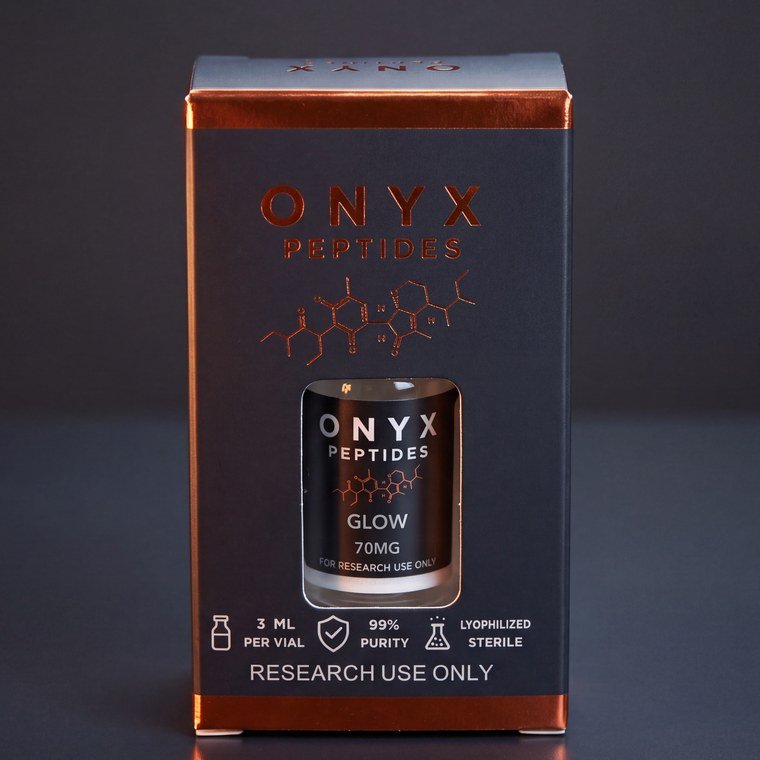
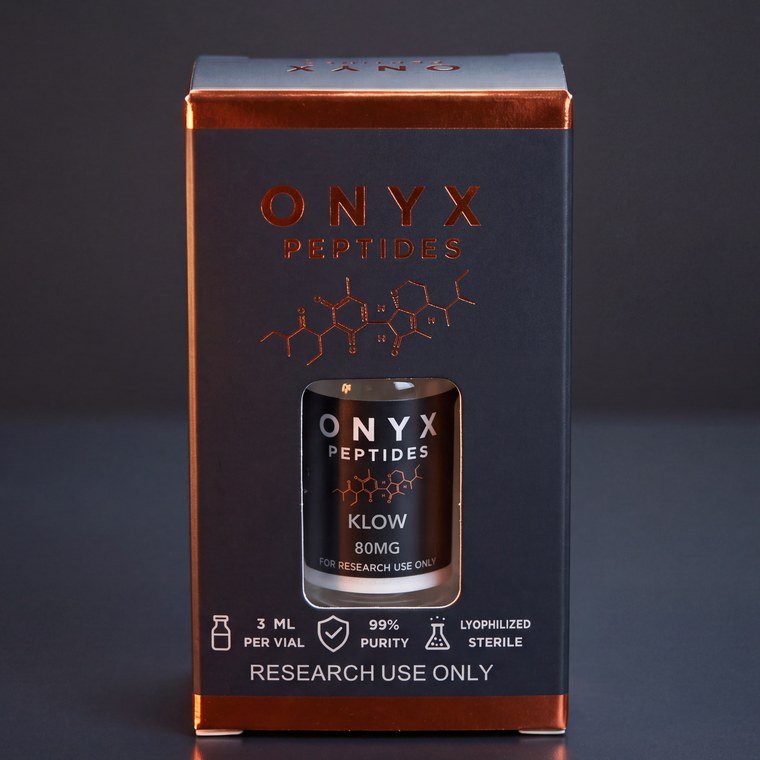
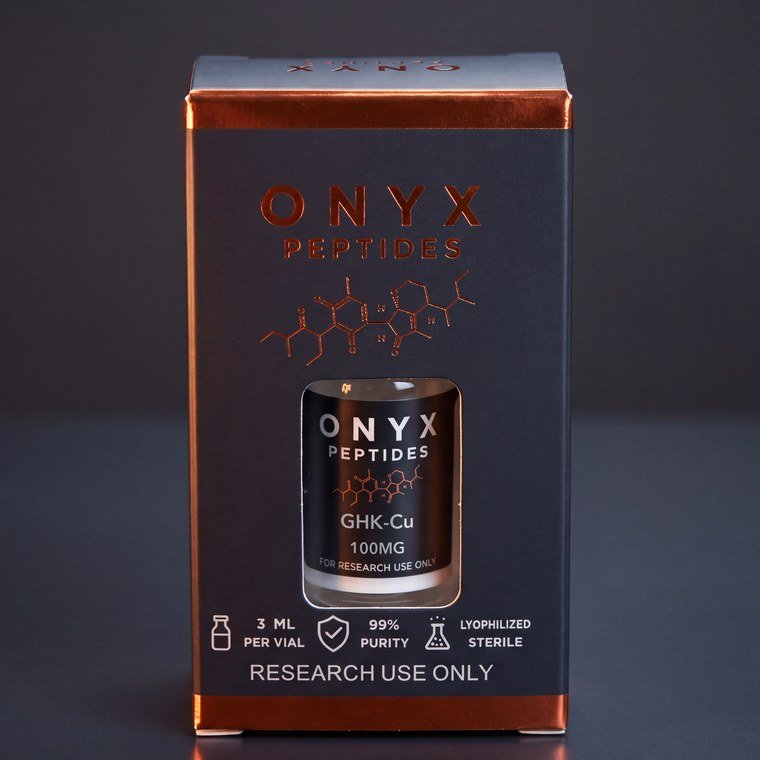
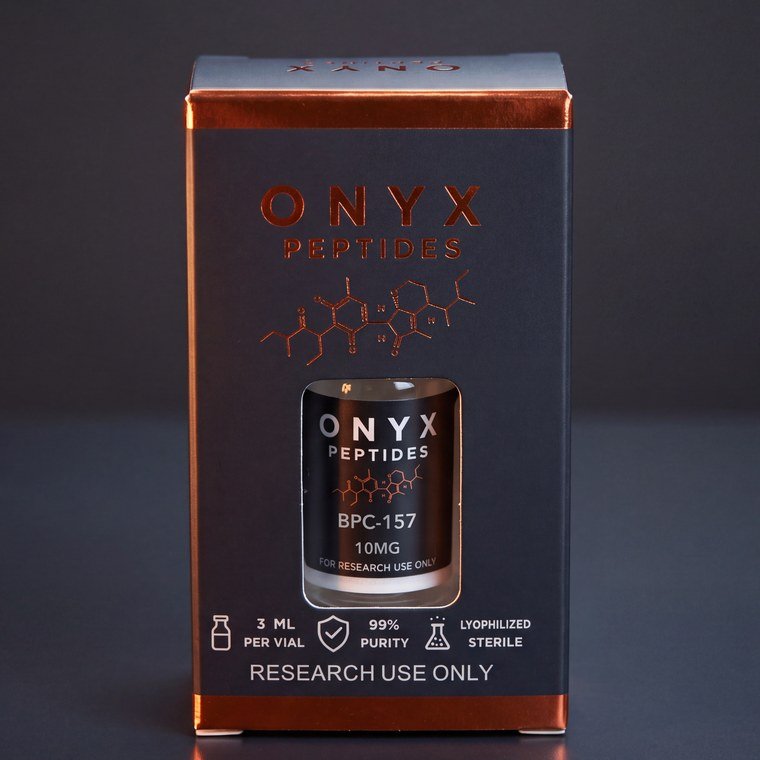
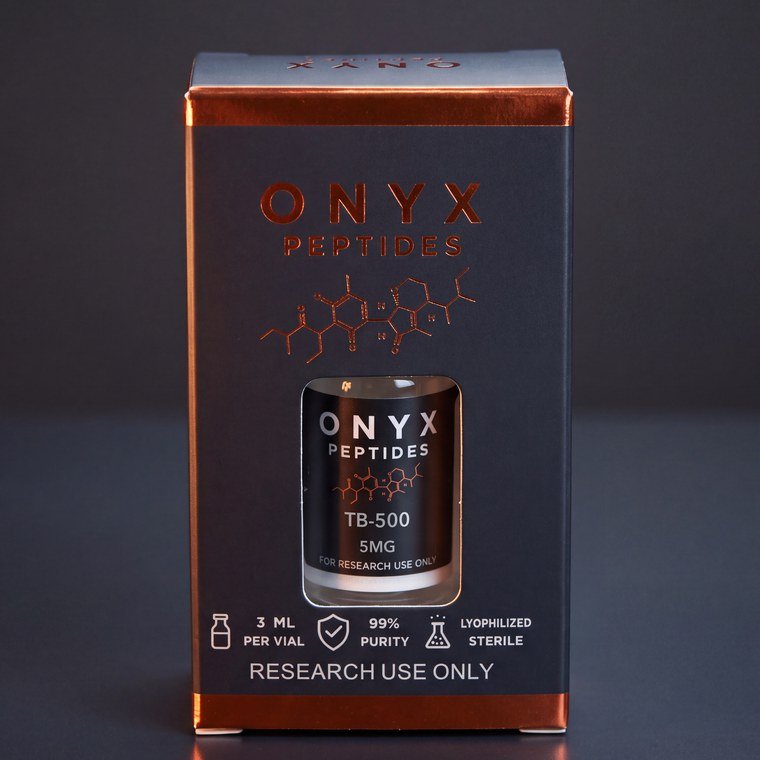
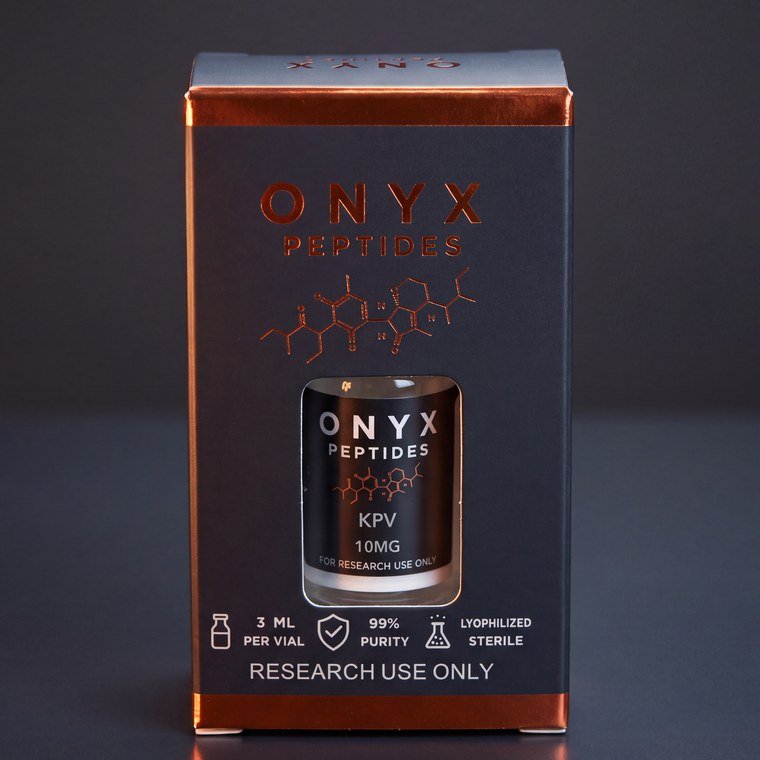
Research peptides studied in tissue repair, regeneration and extracellular matrix biology. This category covers the compounds most frequently cited in wound-healing and connective-tissue literature: BPC-157, a synthetic pentadecapeptide examined for angiogenesis and nitric-oxide signalling; TB-500, a thymosin beta-4 fragment studied for actin regulation and cell migration; KPV, an alpha-MSH tripeptide investigated in NF-kB signalling and mucosal inflammation models; and GHK-Cu, a copper tripeptide studied for collagen synthesis and matrix remodelling.
What groups these compounds is a shared research question rather than a shared mechanism: how tissue rebuilds after damage. BPC-157 and TB-500 are both fragments of larger endogenous proteins and both appear mainly in gastrointestinal and musculoskeletal models. KPV arrives from an entirely different signalling family — it is the C-terminal tripeptide of alpha-MSH — and reaches the same literature through inflammation rather than repair. GHK-Cu is the outlier: a metal complex whose copper ion is part of its identity, not a contaminant to be screened out.
Analytically this category is straightforward. Three of the four compounds are under 16 residues, so a certificate should show one dominant HPLC peak and an observed mass within a fraction of a dalton of theory — there is little room for a deletion sequence to hide in a short chain. GHK-Cu is the exception and needs a different check: the copper complex is blue, so a white lyophilised cake in a GHK-Cu vial is not GHK-Cu, and the reported mass must account for the bound copper rather than the free peptide. Our BPC-157 and TB-500 comparison and GHK-Cu article cover both in detail.
Every batch is analysed by an independent laboratory for HPLC purity and mass-spectrometric identity, with a batch-matched Certificate of Analysis available on request. Supplied as lyophilised powder for in-vitro research and laboratory use only.