Anti-Aging & Longevity
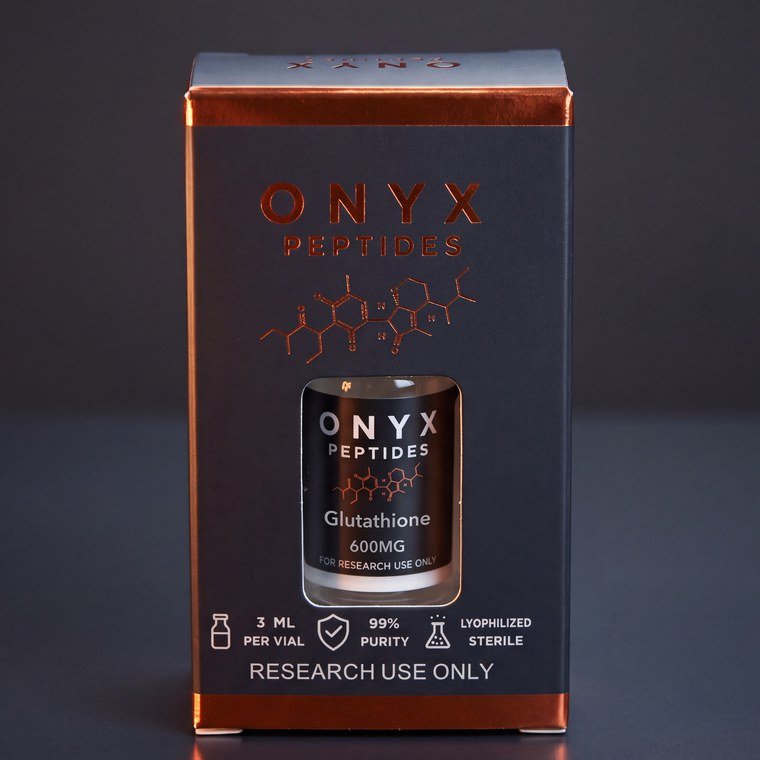
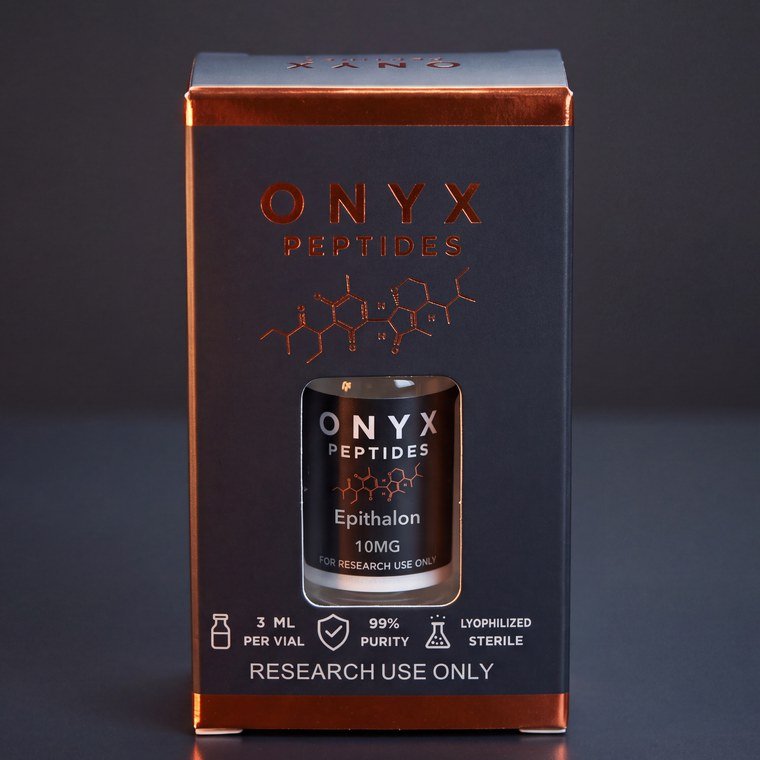
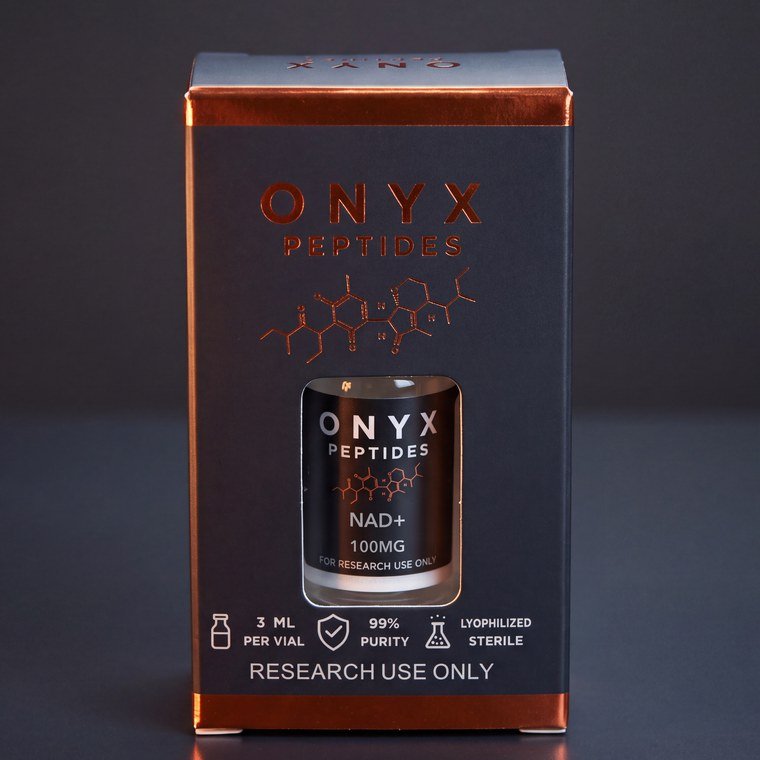

Peptides and cofactors studied in longevity, cellular-ageing and redox research. This category covers Epithalon, a tetrapeptide investigated for telomerase activity and cellular longevity; NAD+, the coenzyme central to redox metabolism and sirtuin activity; Glutathione, studied in oxidative-stress and antioxidant-pathway research; and SNAP-8, an octapeptide examined in SNAP-25 and neurotransmitter-release research.
This is the most chemically mixed category in the catalogue, and the distinction matters more than the shared heading suggests. Epithalon is a genuine tetrapeptide. Glutathione is a tripeptide with one structural oddity — the bond between glutamate and cysteine is a gamma-peptide bond formed at the side-chain carboxyl rather than the backbone one — which is why ordinary peptidases do not simply digest it. NAD+ is not a peptide at all: it is a dinucleotide coenzyme containing no amino acids and no peptide bonds. SNAP-8 sits here as an octapeptide modelled on the N-terminal domain of SNAP-25.
Because the class is mixed, so is the analysis. The peptides are verified conventionally — reverse-phase HPLC with detection at 214 nm for the peptide bond, and mass spectrometry against a mass calculated from the sequence. NAD+ is not, and a supplier applying a peptide certificate template to it has not understood what they are analysing: it has no peptide bond, absorbs at 260 nm like other nucleotides, is hygroscopic, and degrades in solution faster than most peptides, particularly at alkaline pH. Our Epithalon article covers the peptide side of this category.
All products are independently tested for purity and identity and supplied as lyophilised powder. Certificates of Analysis available on request. For in-vitro research and laboratory use only.